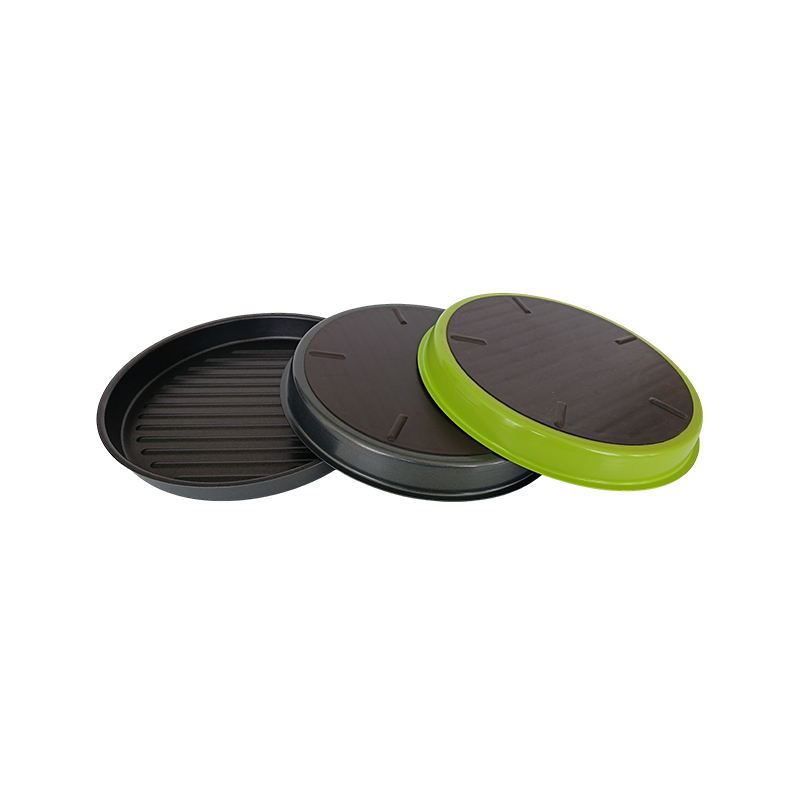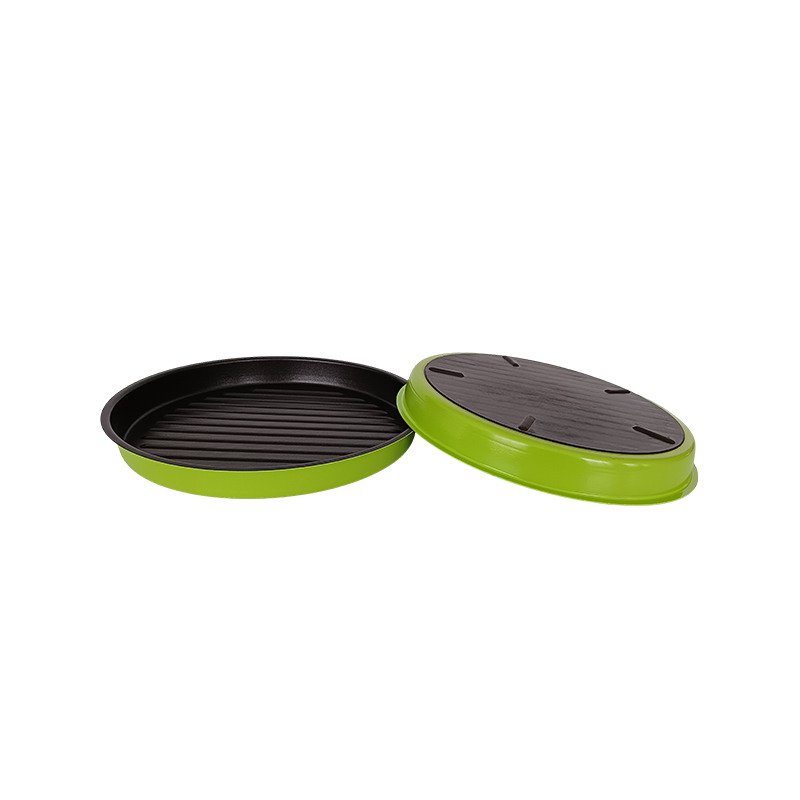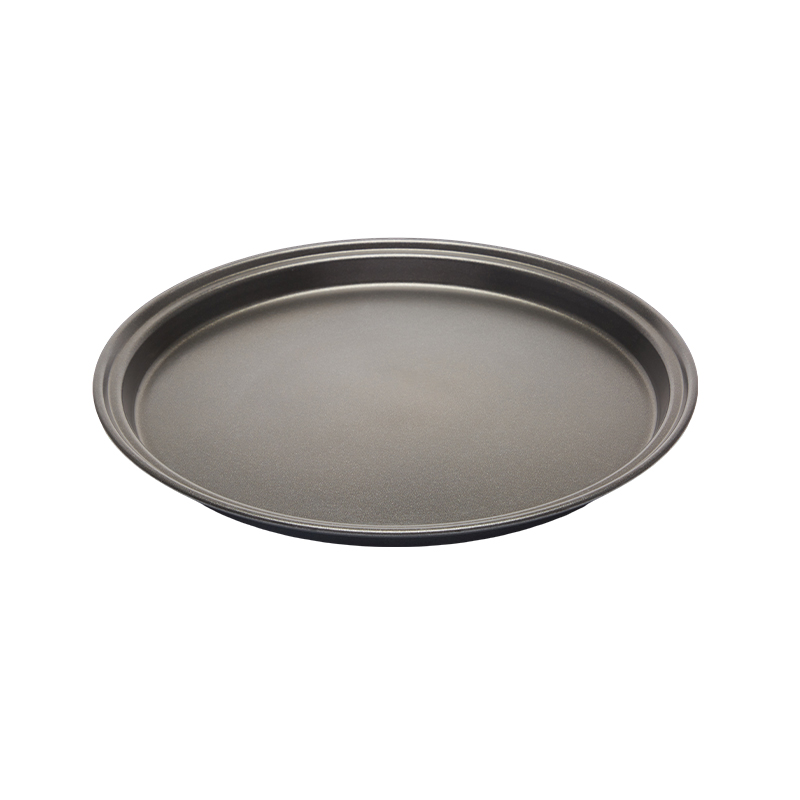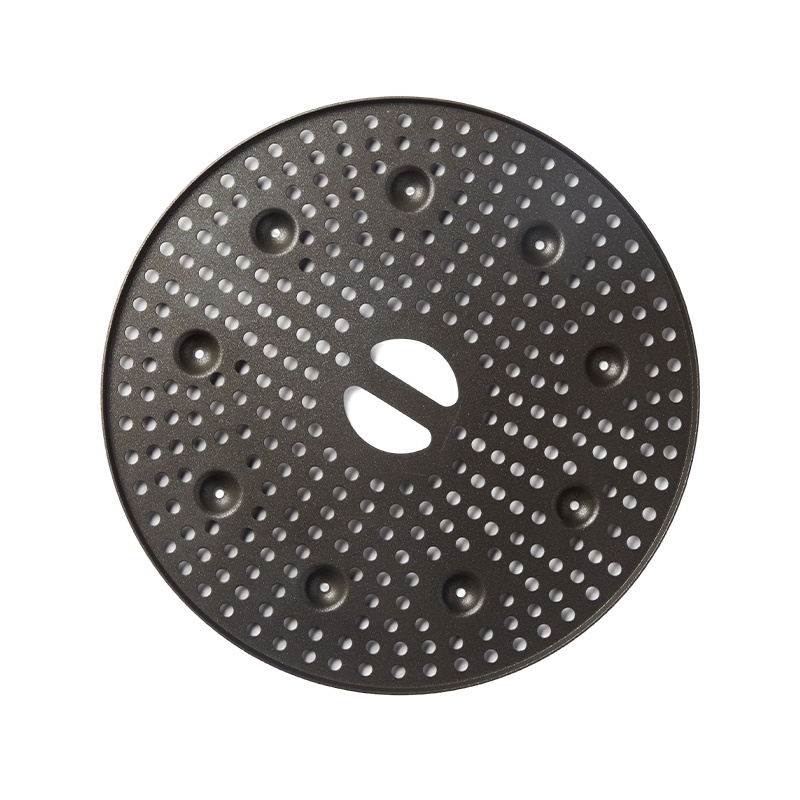

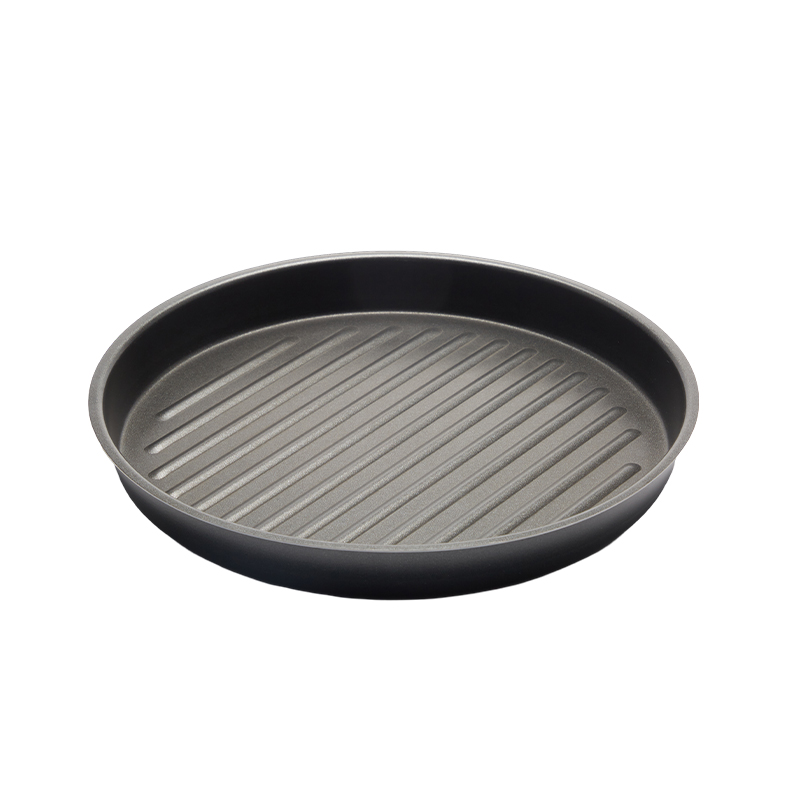
The design of the edge height of a microwave oven baking tray needs to balance spill prevention, heating efficiency, ease of use, and cleaning requirements.
A microwave oven baking tray—with a rubber and aluminum composite bottom that heats up to over 200℃ in 2 minutes, and a double-layer Teflon coating for non-stick durability—is bringing revolutionary convenience to home cooking.
For the surface treatment process of microwave oven baking trays, optimizing the glaze formula is the core method to improve scratch resistance and acid and alkali resistance.
Multi-stage heating often involves different stages such as defrosting, baking, and keeping warm, so the structure of a microwave oven baking tray needs to be adaptable.
In modern kitchens, microwave ovens are no longer just for heating leftovers; they've increasingly taken on functions like defrosting, baking, and even light cooking.
Traditional baking pans are mostly made of glass, ceramic or metal. The former is prone to cracking due to uneven thermal stress, while the latter may cause arcing due to excessive microwave reflection.